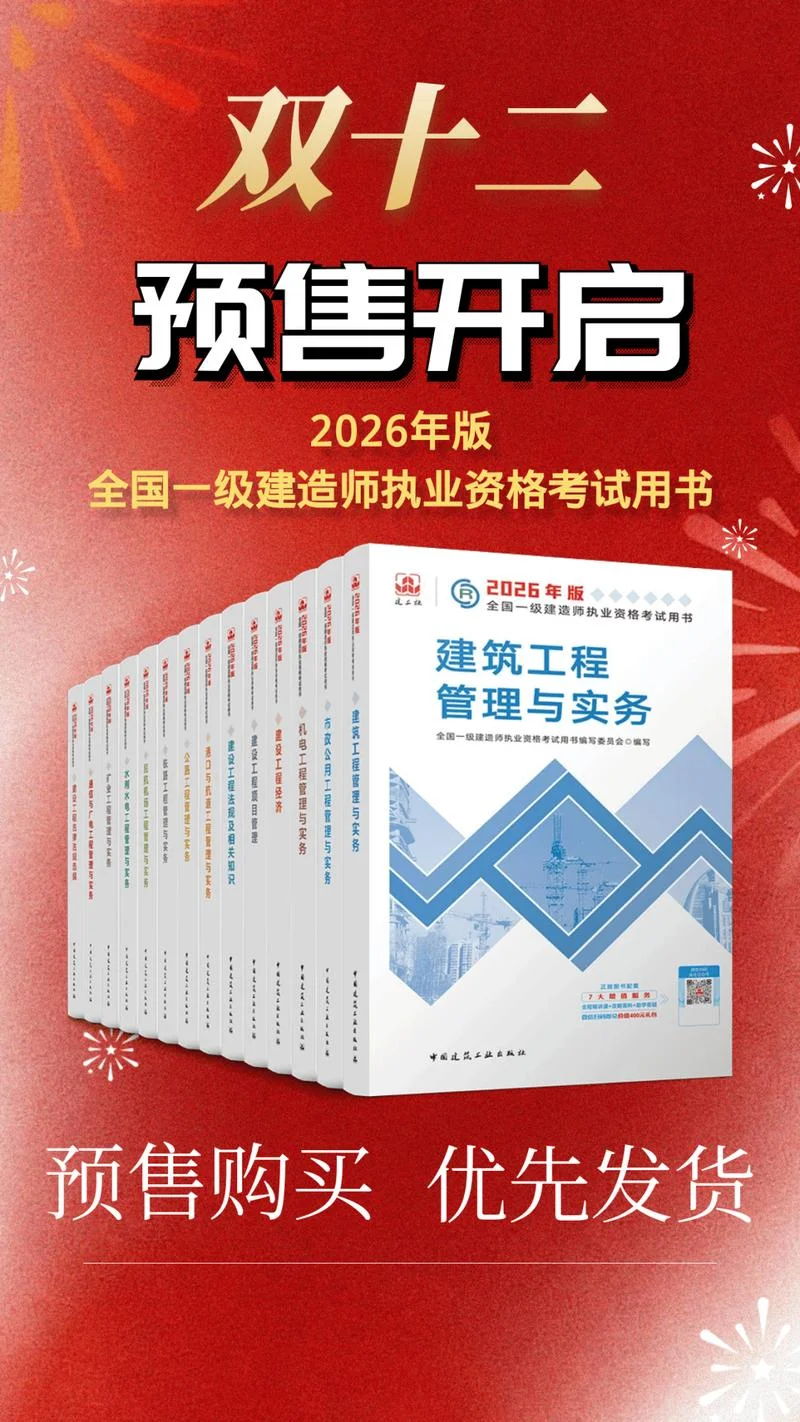
Looking at the timeline, the first edition was released in 2015, followed by regular updates every few years to include new technologies and safety measures. The most recent cycles include the 12th edition in 2023, the 13th edition in 2022, and finally, the 14th and 15th editions arriving in late 2023 and 2024 respectively. This timing ensures that exam candidates are equipped with knowledge based on current regulatory frameworks. However, there is ongoing debate among industry professionals about the frequency of updates. Some argue that the ten-year cycle is sufficient to cover major changes, while others suggest it should be more frequent to reflect rapid technological shifts. The 15th edition's release represents the culmination of years of continuous refinement.
It is important to note that while the textbook may have multiple editions, the core content remains consistent across different versions unless explicitly stated otherwise by the Ministry of Education. The 15th edition does not introduce entirely new topics that were not covered in previous editions, but rather updates existing content to reflect modern standards. This approach ensures a smooth transition for candidates while maintaining the stability of the examination system.
第一章:教材更新背景与核心变化解析The background for updating the textbook involves a comprehensive review of industry standards and national regulations. As construction sectors evolve, the requirements for safety, efficiency, and sustainability have become increasingly stringent. Consequently, the revised edition incorporates several key changes to better prepare candidates for real-world scenarios. These updates are not merely cosmetic but represent significant shifts in how the curriculum is structured and presented.
- Safety Management: Emphasis on advanced safety protocols and risk assessment methods has been increased significantly.
- Techology Integration: More practical applications of green building technologies and digital construction tools are introduced.
- Policy Alignment: Updates reflect the latest interpretations of national building codes and environmental protection laws.
These changes are designed to help candidates not only pass the examination but also to become competent practitioners ready for the job market. The introduction of new content in later editions signals the publisher's commitment to keeping the material current and relevant. This ongoing process of revision is critical for long-term professional development in the field.
第二章:备考策略与实战应用技巧Preparing for the construction and engineering examination requires a strategic approach that combines thorough study with practical application. Candidates should focus on understanding the underlying principles rather than rote memorization. By analyzing past exam papers and successful case studies, students can identify common question patterns and avoid pitfalls.
- Time Management: Practice questions should be timed to simulate exam conditions effectively.
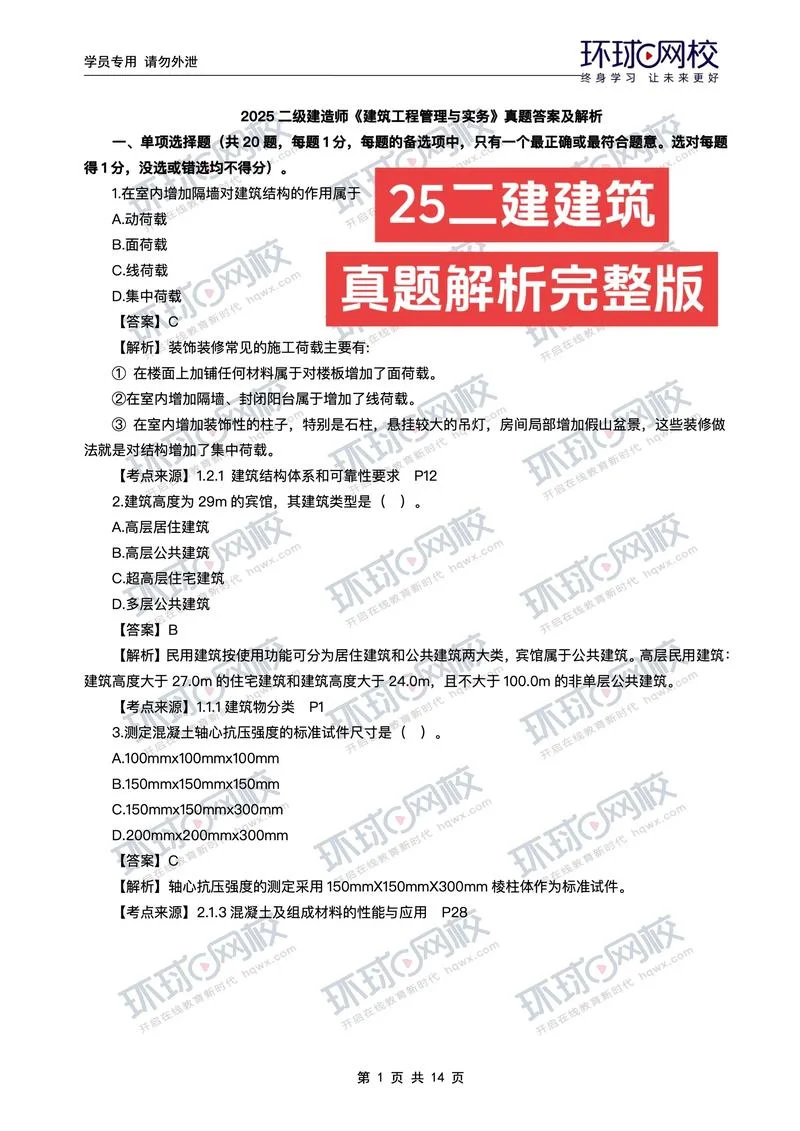
- Question Analysis: Reviewing explanations for every question helps in understanding the reasoning behind the correct answers.
- Knowledge Integration: Building connections between different topics leads to a more holistic understanding of the subject matter.
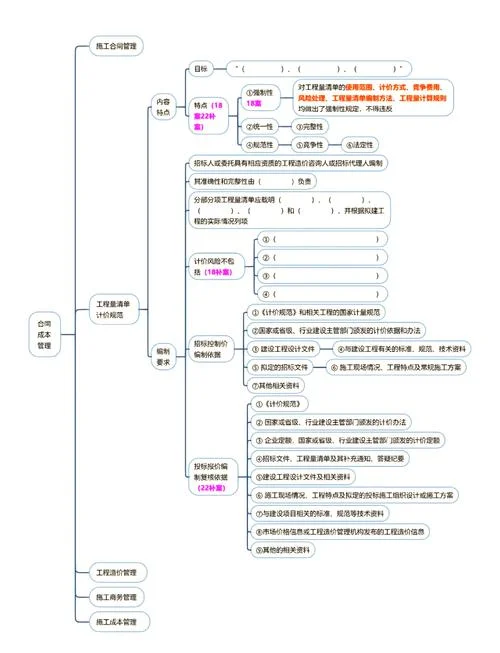
For instance, when studying the section on project management, candidates can analyze real-world case studies to see how theoretical concepts are applied in actual projects. This method of learning enhances retention and improves the ability to solve complex problems during the actual test. Additionally, it is recommended to create a personal knowledge map to track the flow of information across different units of the textbook.
第三章:常见考点突破与复习重点A successful preparation strategy involves identifying high-yield topics that carry the most weight in the examination. These areas often include complex calculations, detailed regulations, and scenario-based problems. By focusing on these sections, candidates can allocate their study time more efficiently.
- Cost Estimation: Detailed calculations and cost analysis techniques are frequently tested.
- Quality Control: Latest quality assurance standards and inspection procedures are covered extensively.
- Dispute Resolution: Understanding legal frameworks for dealing with construction disputes is crucial.
When revising, it is advisable to create a summary table for each major topic. This table should include key formulas, relevant regulations, and typical exam question formats. Regular spaced repetition helps reinforce memory and ensures that important information is not forgotten under pressure. Furthermore, engaging in group discussions or joining study groups can provide different perspectives and clarify doubts quickly.
第四章:心态调整与持续学习建议The construction and engineering field is dynamic, and staying updated is essential for career growth. Continuous learning opportunities exist through various platforms, including online courses, professional journals, and industry forums. Maintaining a balanced work-life schedule prevents burnout and ensures sustainability in the learning process.
- Stay Informed: Follow industry news and policy updates regularly.
- Practice Regularly: Consistent practice builds confidence and reduces anxiety.
- Seek Help: Don't hesitate to ask questions or seek guidance from experts when needed.
One effective strategy is to maintain a study diary. This journal can record daily progress, highlight difficult topics, and note moments of insight. Reviewing this diary weekly can provide a clear picture of overall performance and identify areas for further improvement. By adopting these mindset-focused techniques, candidates can approach the exam with confidence and a balanced perspective.
In conclusion, the 15th edition of the construction and engineering textbook serves as a vital resource for candidates aiming to pass the exam and succeed in their careers. Through careful preparation, strategic study, and continuous learning, individuals can master the material and build a solid foundation for their professional journey. Remember that preparation is a marathon, not a sprint, and consistent effort yields the best results.