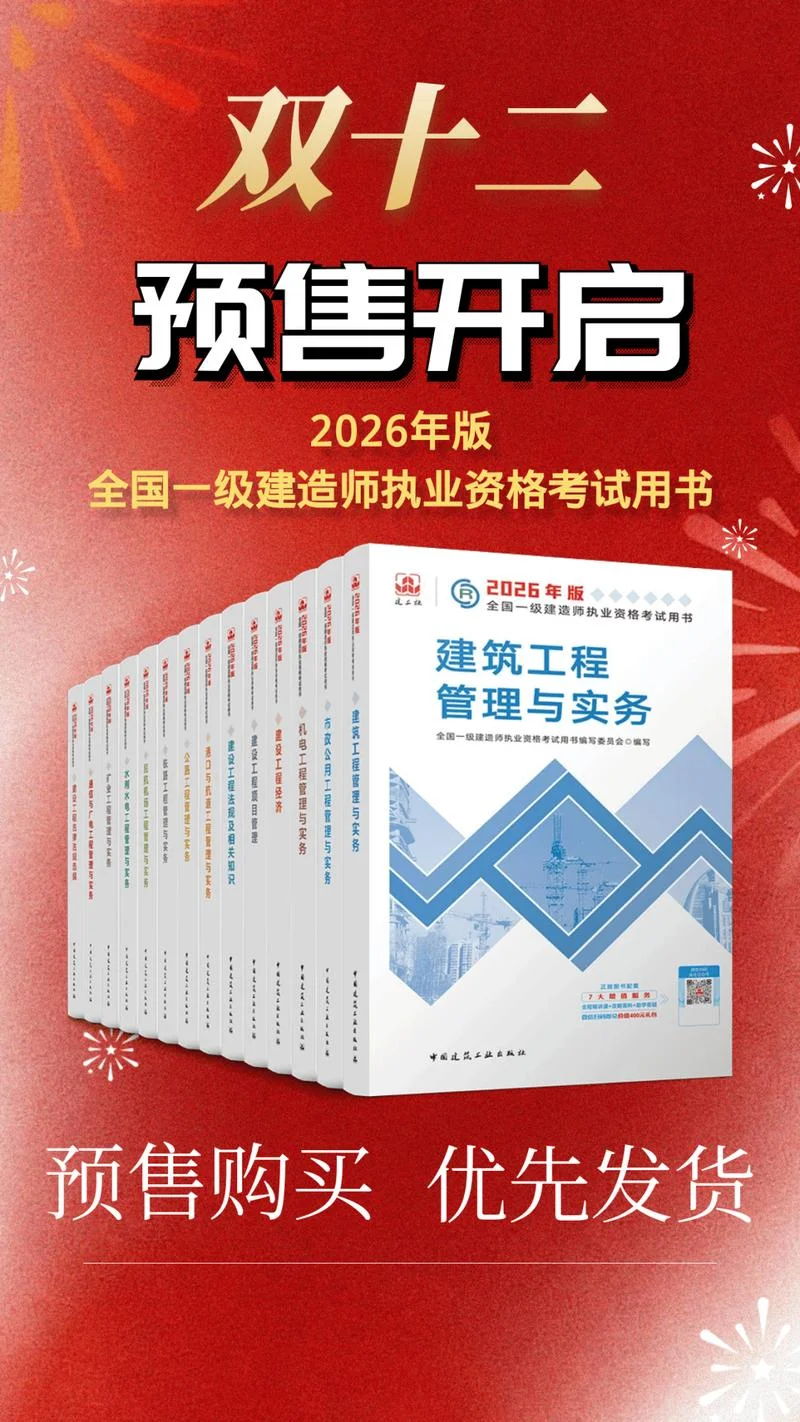
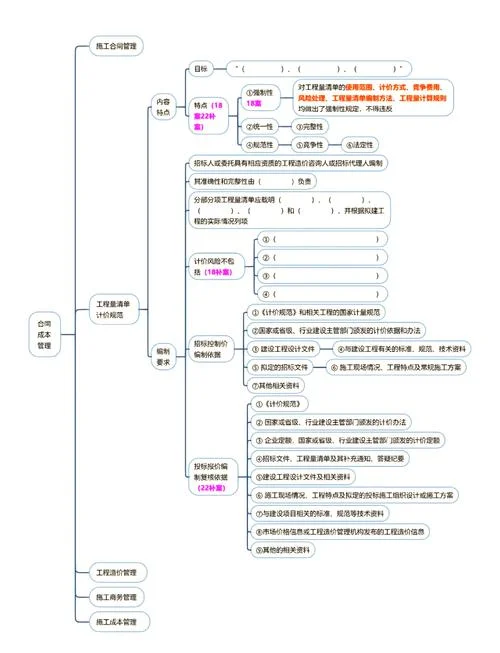
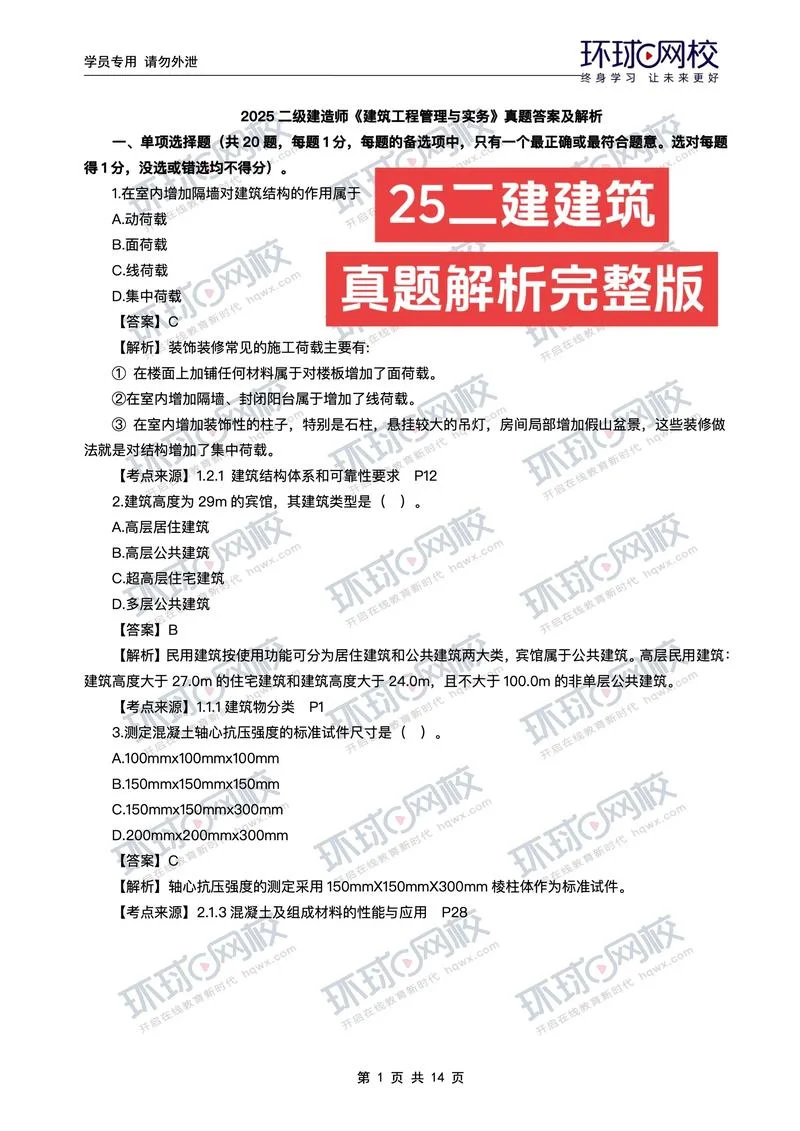
1.2018 工程造价师书

The 2018 Edition of the Constructor Engineer Examination Guidebook stands out as an authoritative yet technically advanced resource. Unlike previous iterations that heavily emphasized traditional field methods, this edition reflects a significant shift toward cost estimation techniques grounded in actual project management practices and updated market data. The book's structure has been reorganized to better align with the demands of modern construction projects, focusing heavily on value engineering and dynamic cost control. For exam candidates, it represents a necessary evolution from rote memorization of standard formulas to an understanding of the underlying economic logic of construction. The inclusion of realistic case studies and detailed analysis of project lifecycle costs provides a more comprehensive view of how professionals actually operate in the industry. This shift marks a critical juncture where theoretical knowledge must merge with practical application to effectively compete in the professional domain.
The text serves as a pivotal tool for understanding the economic mechanisms of construction. It does not merely list prices but explains the factors influencing them, such as material fluctuations, labor efficiency rates, and design optimization strategies. By analyzing these elements, candidates can develop a holistic perspective on cost management. The book's emphasis on accuracy and precision is crucial, as even small deviations in cost estimation can lead to significant overruns in large-scale projects. Therefore, mastering this volume requires both a solid foundation in accounting principles and a keen ability to apply technical knowledge to solve real-world problems.
Preparation for this specific textbook demands a methodical approach that balances theoretical depth with practical application. Candidates are encouraged to treat the content as a living document, constantly cross-referencing it with actual project data to verify concepts and enhance comprehension. This active engagement ensures that the knowledge acquired translates effectively into a competitive exam performance.
2.备考核心策略:从理论到实战的跨越
The most effective approach involves a phased study plan that moves logically from basic principles to complex problem-solving scenarios. First, candidates must thoroughly review the fundamental chapters covering cost composition, unit price methodology, and budget control mechanisms. These foundational topics serve as the bedrock for understanding all subsequent concepts. Following this initial review, the focus shifts to specific estimation techniques applicable to different project types, such as DAP (Design and Build) projects and general construction works. Each technique must be studied not just as a formula, but through the lens of how it is used in real-world scenarios.
- Importance of Practical Application: Theoretical formulas without practical application are often insufficient for passing the exam. Understanding when and why to apply a specific method is just as important as knowing the formula itself.
- Case Study Analysis: Reviewing past exam questions and real-world case studies helps identify common pitfalls. By dissecting failed attempts, candidates can avoid these mistakes in future examinations.
Once the content is reviewed, candidates should engage in active memory reinforcement through spaced repetition. Techniques like creating flashcards for key terms, summarizing complex sections into brief notes, and practicing oral explanations can significantly improve retention rates. Additionally, maintaining a study log where specific concepts learned are dated and linked to the textbook aids long-term memory formation.
3.深度解析与应试技巧
Deep understanding goes beyond simply reading the text. It requires the ability to critically analyze information and apply it flexibly in different contexts. For instance, when learning about material price adjustments, candidates should not only memorize the rules but also understand the rationale behind them. This insight allows them to adapt to novel situations that may not be explicitly covered in the book but require logical deduction based on the established principles.
Furthermore, time management during the exam is paramount. Since the 2018 topic set is vast, candidates must develop a reliable strategy to allocate time distribution across sections. Prioritizing high-value, frequently tested topics can maximize the score within the available timeframe. It is equally important to practice answering questions under timed conditions to build the necessary speed and accuracy. Mock exams should be used regularly to simulate the actual testing environment, helping candidates identify areas where further study or practice is needed.
Consistency is the key to success in any long-term learning journey. The book is a valuable asset, but only if it is studied regularly and effectively over a sustained period. Candidates should view their preparation as a continuous process rather than a one-time event. By integrating the knowledge from this book into daily study habits, the impact of the preparation will be much greater than if it were approached solely through last-minute cramming.
Ultimately, the goal is not just to pass the examination but to develop a professional competency in cost management. This transformation from a theoretical student to an experienced practitioner is the ultimate objective. By following this structured guide and internalizing the knowledge gained from the textbook, candidates can approach the exam with confidence and achieve a high score. The journey requires dedication, but the reward lies in the professional skills and academic achievement gained.

In conclusion, the strategic preparation for the 2018 Constructor Engineer Examination is a multifaceted process involving thorough reading, critical thinking, and consistent practice. By leveraging the insights provided in the textbook and applying them through targeted study methods, candidates can navigate the challenges of the exam with confidence. The path to success is paved with dedication and a commitment to continuous improvement, ensuring that the candidate not only passes the test but also stands out as a qualified professional in the field.